Kilimanjaro Preparation
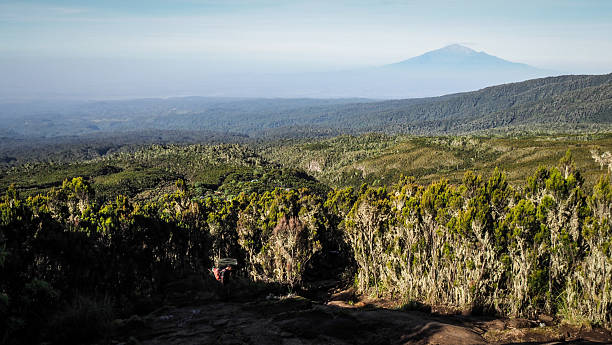
A climb up Mount Kilimanjaro calls for focus, readiness, and respect for the mountain’s changing landscapes. Our preparation guide combines expert advice, practical gear lists, and thoughtful planning to help you capture the spirit of Africa’s highest peak. From layering clothing for shifting climates to choosing boots that carry you steadily, every detail is shaped to balance comfort and endurance. This once‑in‑a‑lifetime ascent demands care at every stage, weaving together training, equipment, and awe‑inspiring determination. Your path to the Roof of Africa begins with the right preparation and the essentials packed for success.
Exercise, Gears & Equipment
Exercise
-----
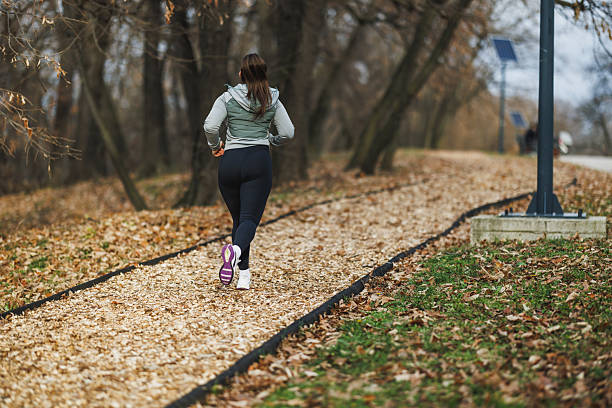
• Long hikes, brisk walking, cycling, or running (3–4 times per week).
• Squats, lunges, step‑ups, and hill climbs to strengthen quads, hamstrings, and calves.
• Planks, mountain climbers, and yoga to improve balance and posture.
• Stretching, yoga, or Pilates to keep muscles supple and prevent injury.
• Train on hills or staircases with a loaded pack.
Suggested Timeline
• 3–6 months before climb: Build a consistent routine with cardio and strength.
• 2 months before climb: Increase hike frequency, add longer treks with gear.
• Final weeks: Focus on endurance hikes, taper intensity to avoid injury.
Gears
Clothing Layers
• Base Layer (moisture‑wicking): Lightweight thermal tops and bottoms to keep sweat off your skin.
• Mid Layer (insulation): Fleece or down jacket for warmth during cold nights and higher altitudes.
• Outer Layer (protection): Waterproof, windproof shell jacket and pants to shield against rain and wind.
• Accessories: Warm hat, sun hat, gloves (light + insulated), and neck gaiter/buff.
Footwear
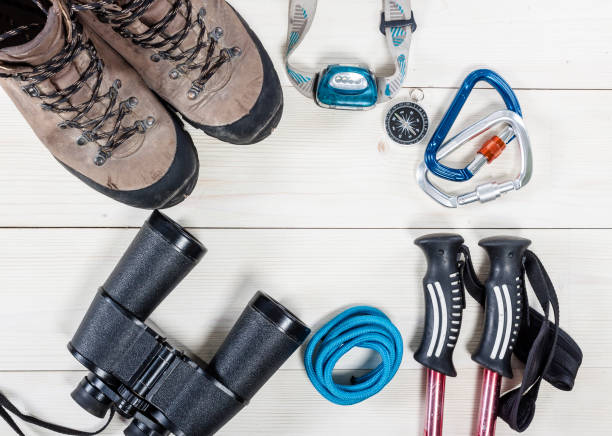
• Hiking Boots: Sturdy, waterproof, broken‑in boots with ankle support.
• Camp Shoes: Lightweight sandals or sneakers for evenings at camp.
• Socks: Several pairs of moisture‑wicking hiking socks + thermal socks for summit night.
Essentials
-----
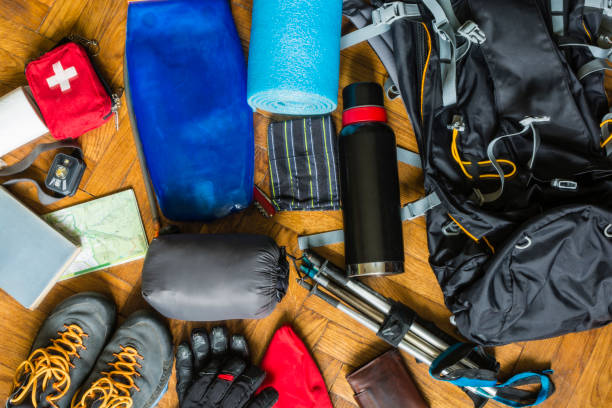
• Daypack (30–40L): For water, snacks, and layers during daily treks.
• Duffel Bag (80–100L): Carried by porters, holds main gear.
• Hydration System: Water bottles or hydration bladder (3–4 liters capacity).
• Headlamp: With spare batteries for summit night.
• Trekking Poles: Adjustable, shock‑absorbing poles to reduce strain on knees.
• Gaiters: Protect boots and legs from mud, dust, and scree on lower slopes.
Sleeping & Comfort
• Sleeping Bag: Rated for sub‑zero temperatures (down or synthetic).
First Aid & Health Essentials
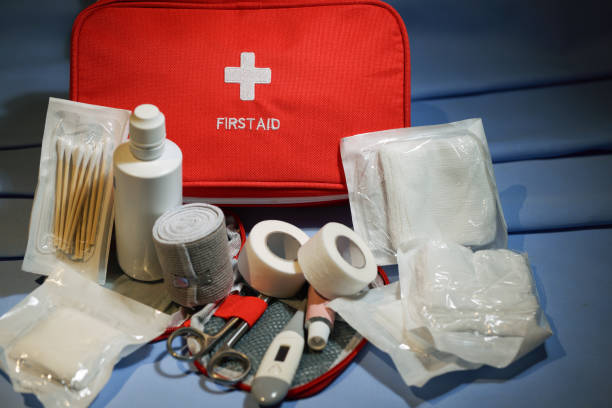
Personal First Aid Kit
• Adhesive bandages (various sizes)
• Blister pads or moleskin for foot protection
• Antiseptic wipes and ointment
• Pain relief tablets (general use)
• Anti‑diarrheal and rehydration salts
• Personal prescription medications
• Snacks for quick recovery
• Diamox or other altitude‑related medication (consult your doctor before use)
WHY CHOOSE US
Expert Local Guides
Our guides are storytellers, conservationists, and cultural ambassadors — not just navigators.
Authentic Safaris
We go beyond game drives — we connect you to the rhythm of the land and its people.

Trusted by Travelers
From solo trekkers to family safaris, our guests return — and bring friends.